How to Choose the Best Solar Energy System for Your Home
As the demand for renewable energy sources continues to rise, many homeowners are considering the installation of solar energy systems to not only reduce their carbon footprint but also lower energy costs. According to the Solar Energy Industries Association (SEIA), the U.S. solar market saw a staggering growth of 20% in 2022, with over 30 gigawatts (GW) of new capacity added, demonstrating that solar energy is becoming a cornerstone in the transition towards sustainable energy solutions. However, choosing the right solar energy system for your home can be complex, as it involves multiple factors including technological advancements, energy needs, and financial considerations.
Industry expert Dr. Emily G. Johnson, a leading researcher in solar energy technologies, emphasizes, “Understanding the specific energy requirements of your household is crucial in selecting an efficient solar system.” This insight highlights the importance of personalized assessments when evaluating solar energy options. Homeowners must take into account their unique energy consumption patterns, local solar incentives, and the diverse types of solar installations available in order to make an informed decision. By delving into these critical aspects, individuals can not only harness the benefits of solar energy but also contribute to a more sustainable future.
Understanding Your Home's Energy Needs for Solar Energy
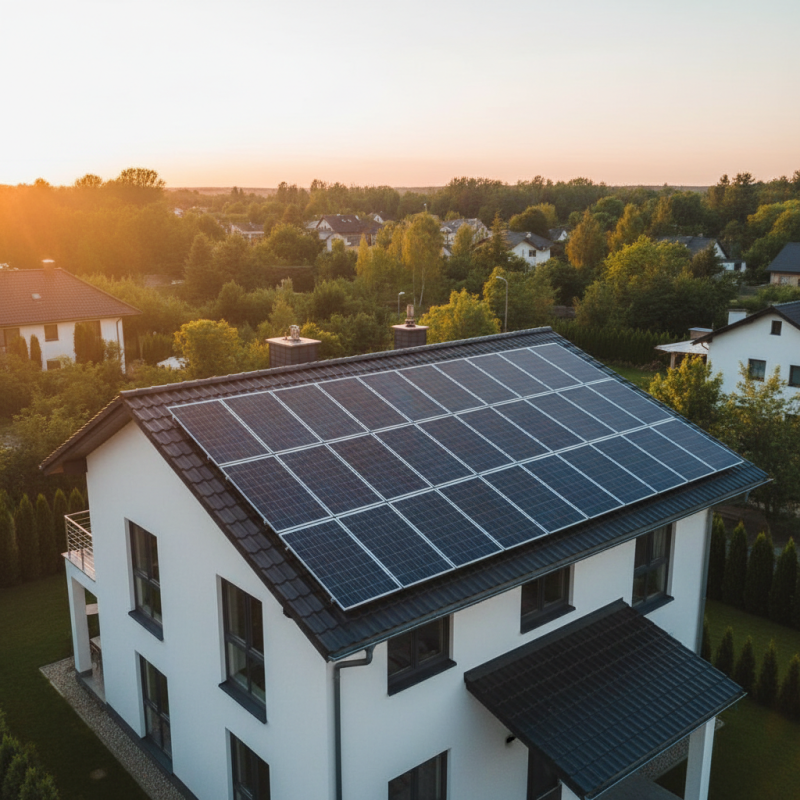
Understanding your home's energy needs is a critical first step in selecting the best solar energy system. Begin by analyzing your energy consumption patterns over the past year. Look at your utility bills to identify peak usage times and how much energy you typically consume monthly. This information provides a baseline to calculate the size and capacity of the solar system you’ll need. It's important to consider not just your yearly totals, but also seasonal variations that might affect energy production from your solar panels.
Next, assess the appliances and systems in your home that consume electricity. High-consumption devices like HVAC systems, water heaters, and kitchen appliances can significantly influence your energy needs. By determining the wattage of these items and their usage frequency, you can create a more detailed estimate of your daily and monthly energy requirements. This thorough understanding will help you choose a solar energy system that is adequately sized not just to meet your current needs, but also to accommodate any potential increases in consumption as you add more appliances or consider electric vehicles in the future.
Evaluating Different Types of Solar Energy Systems Available
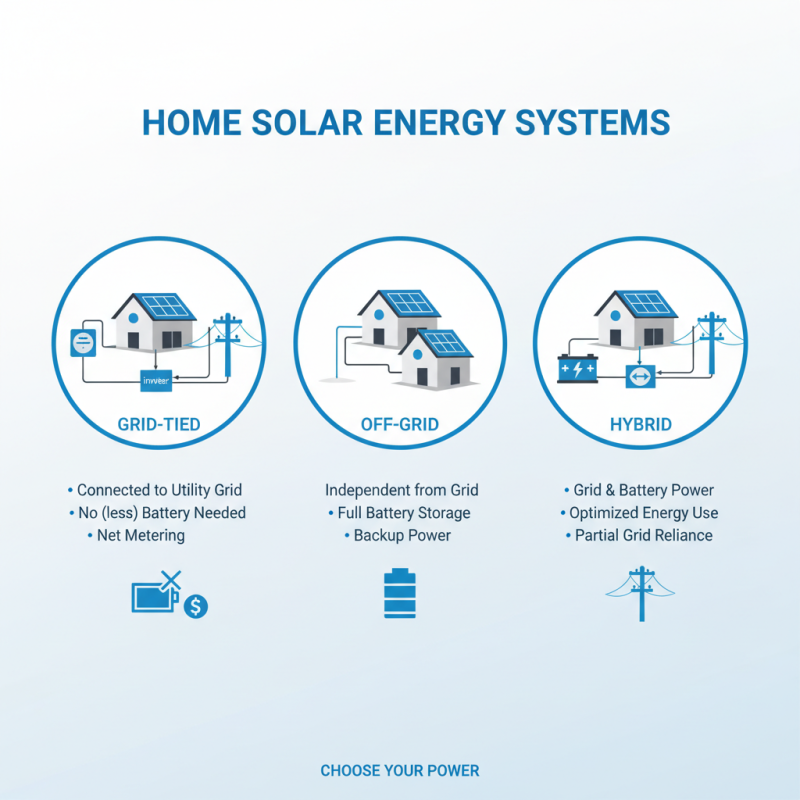
When evaluating different types of solar energy systems available for your home, it is essential to understand the key options that can meet your energy needs efficiently. The most common types include grid-tied, off-grid, and hybrid systems. Grid-tied systems are connected to the local utility grid, allowing homeowners to receive energy from the grid when solar production is low while feeding excess power back into the grid. This setup is often the most cost-effective solution, as it requires less battery storage and utilizes net metering benefits.
Off-grid systems, on the other hand, provide complete energy independence by relying solely on solar panels and battery storage. These systems are ideal for remote locations where access to the grid is limited. However, they can be more expensive due to the necessity of robust battery banks and the need for careful energy management. Hybrid systems combine elements of both grid-tied and off-grid solutions, using batteries to store energy while still being connected to the grid. This approach offers flexibility and security, ensuring that homeowners have access to energy even during outages or periods of low sunlight.
In addition to system types, it's important to consider the solar panel technology itself, such as monocrystalline, polycrystalline, and thin-film options. Each has unique efficiency ratings, performance characteristics, and installation requirements, which can influence the overall effectiveness of your solar energy solution. By assessing these different systems and their technologies, homeowners can make informed decisions that align with their energy goals and lifestyle.
Key Factors to Consider When Selecting Solar Equipment
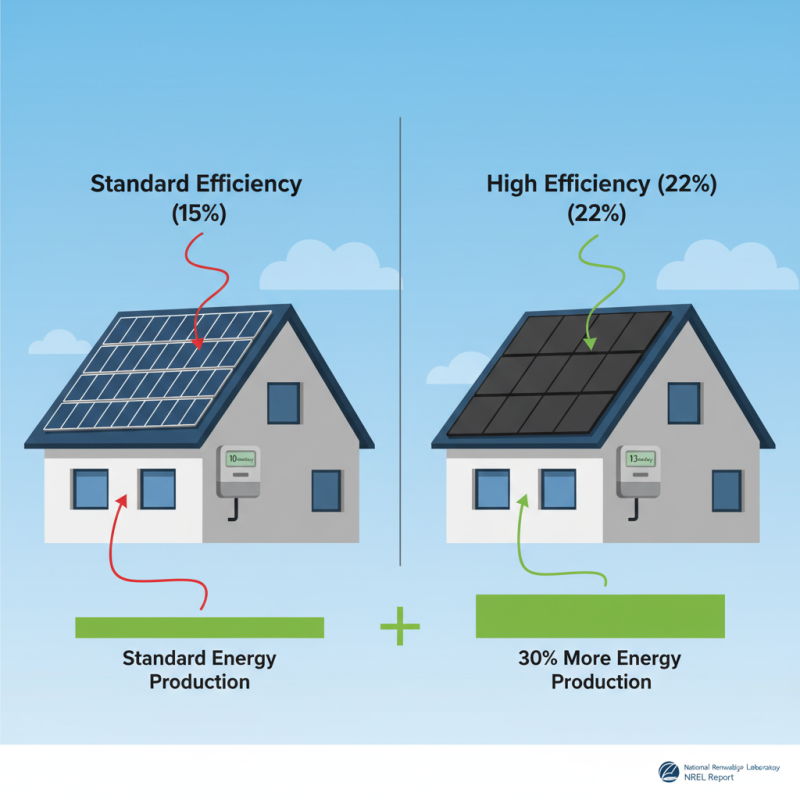
When selecting a solar energy system for your home, several key factors can significantly impact both efficiency and cost-effectiveness. First and foremost, it’s crucial to evaluate the solar panel's efficiency ratings, which typically range from 15% to 22%. Higher efficiency panels, while more costly upfront, can generate more electricity in limited space. According to a report by the National Renewable Energy Laboratory, homes equipped with panels exceeding 20% efficiency can produce up to 30% more energy in the same footprint compared to lower-rated panels. This translates to more significant long-term savings on energy bills.
Another vital consideration is the inverter type and its efficiency. String inverters and microinverters serve different needs; while string inverters are generally less expensive, microinverters can optimize performance on shaded panels, which can lead to increases in overall system output by up to 30%. The performance monitoring capabilities offered by quality inverters are also crucial, as they enable homeowners to track real-time energy production and detect issues early. A recent study from the Solar Energy Industries Association noted that well-monitored systems exhibit less downtime and higher overall energy yield, which is essential for maximizing the return on investment in solar technology.
Furthermore, understanding warranty terms and service options is essential. Most solar panel systems come with a performance warranty of 25 years, but the longevity and reliability of the equipment can vary widely. It's advisable to select equipment with robust warranty support, as this can significantly reduce future maintenance costs. Incorporating these considerations into your decision-making process will help in selecting a solar energy system that not only meets your energy needs but does so efficiently and reliably over the years.
Comparing Costs and Benefits of Installation Options
When considering the installation of a solar energy system for your home, understanding the costs and benefits is crucial. The initial investment can vary widely depending on the type of system you choose, such as grid-tied, off-grid, or hybrid systems. Grid-tied systems are often less expensive upfront and allow homeowners to benefit from net metering, where excess energy produced can be sold back to the grid. However, the long-term savings on energy bills and potential incentives can make various installation options appealing, depending on your regional energy rates and available tax credits.
In addition to upfront costs, evaluating the long-term benefits is essential. While some systems might appear more expensive, their efficiency, durability, and lower maintenance requirements can lead to greater savings over time. Off-grid systems, for example, tend to have higher installation costs due to the need for battery storage but can be advantageous in remote areas where grid access is limited. It’s important to perform a detailed cost-benefit analysis, taking into consideration not only the immediate financial outlay but also the long-term environmental impact and energy independence that a solar energy system can provide.
Finding Certified Solar Energy Installers and Warranties
When selecting a solar energy system for your home, it's crucial to find certified solar energy installers who can ensure the quality and efficiency of your installation. Certified installers have undergone rigorous training and have met industry standards, providing you with peace of mind that the job will be done correctly. To find qualified professionals, consider checking local listings, reading customer reviews, and asking for recommendations from friends or family who have recently installed solar systems.
Tips: Always ask for the installer’s certification documents and check their experience in the field. A well-established installer typically has a portfolio of successful projects that can give you confidence in their abilities. Additionally, inquire about the warranties they offer, as a solid warranty can protect your investment should any issues arise with your solar system over time.
Warranties are an essential aspect of choosing a solar energy system, as they safeguard against potential defects and inefficiencies. Look for installers that provide comprehensive coverage, including equipment warranties that cover solar panels and inverters, as well as labor warranties that protect against installation errors. Understanding the terms of these warranties can save you significant costs and ensure your system's longevity.
Tips: Take the time to read the warranty fine print and ask questions about what is and isn't covered. This will help you avoid unexpected repair costs in the future and will provide you with better insights into the system's expected performance.